¡Hola! Hallo! Hi!
I hold a Ph.D. in Security Studies from the University of Central Florida (UCF). My research areas include civil-police relations, police militarization, and (intergenerational) legacies of stress and trauma in the Americas. I am affiliated with the Central American Politics Consortium (CAPC) at Tulane University.
My research focuses on the effects individuals’ cognitive style and ability have on forming opinions on police. I study this topic in the light of militarization of police across the globe, which can be understood as (a) training police to a military standard, (b) assigning police tasks to the military, or (c) both.
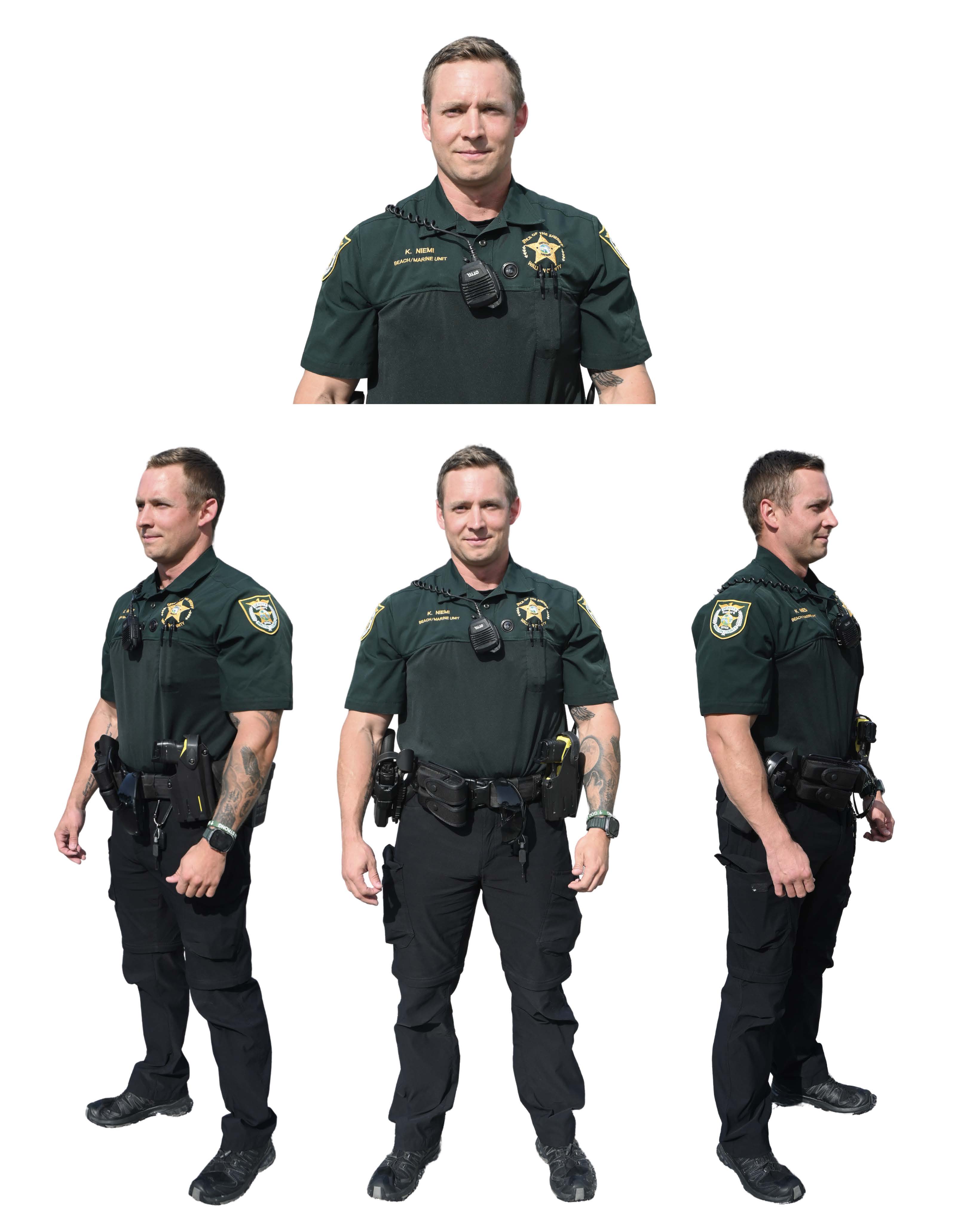
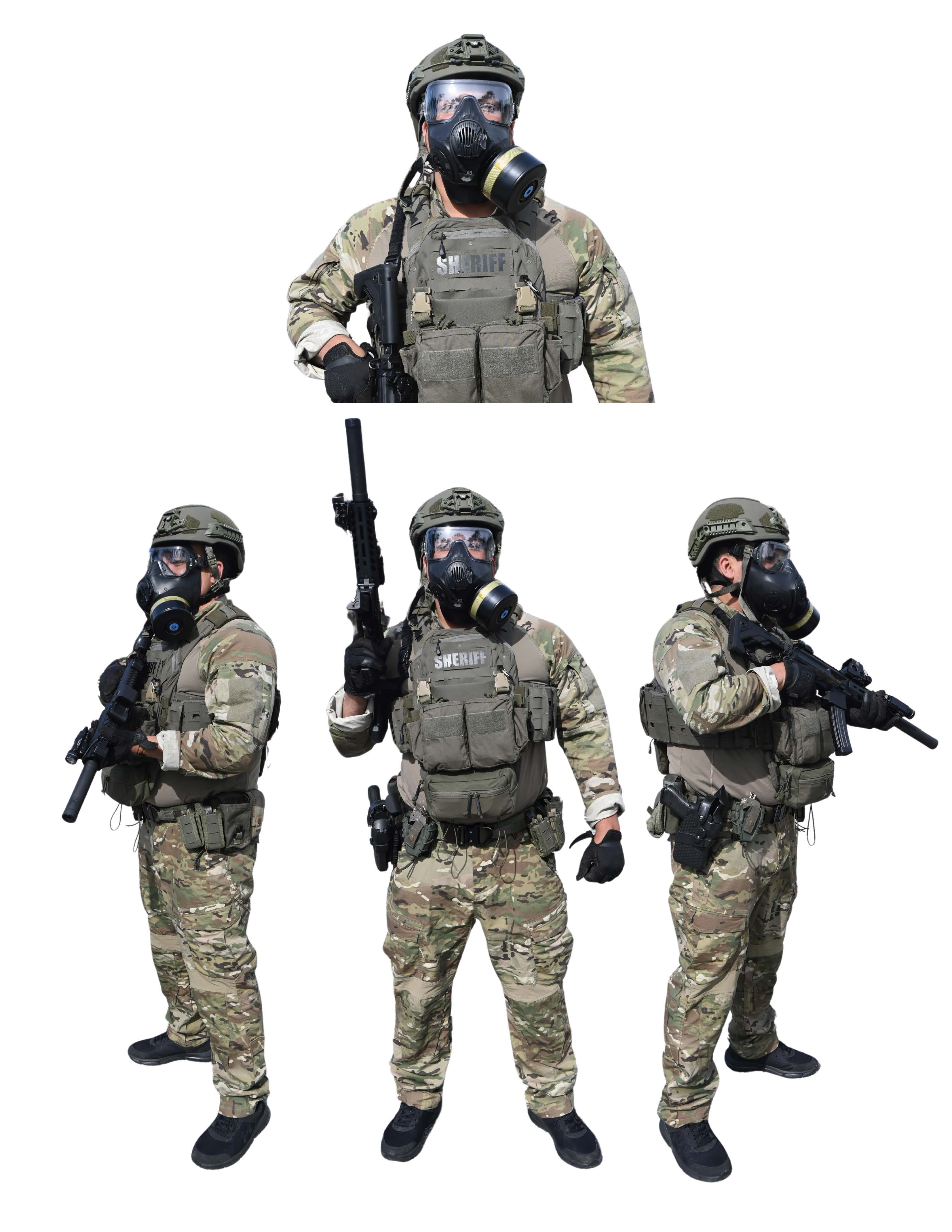
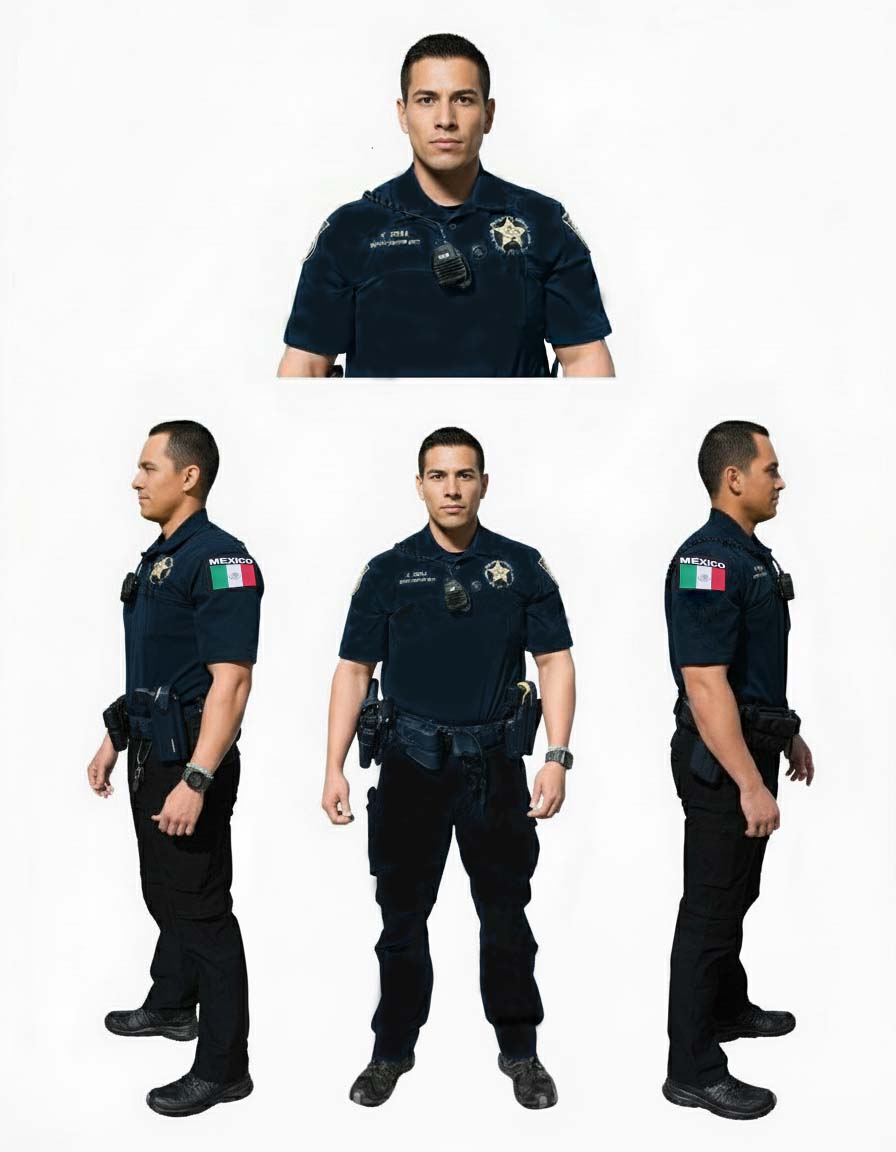
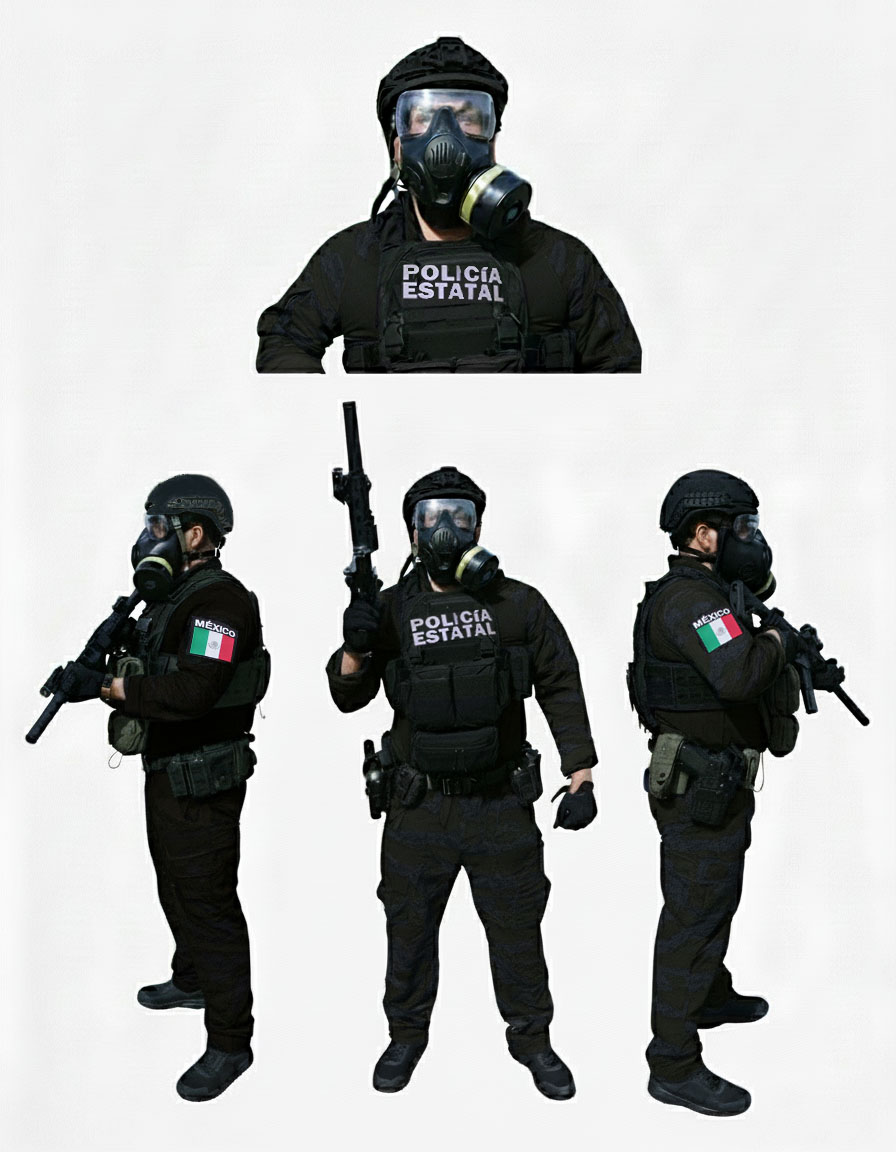
The Walton County Sheriff’s Office provided me with the upper images of their deputies for my survey experiment in the US. I used AI to generate the lower images for my survey experiment in Mexico.
My Approach
I use a multi-method approach that includes:
- Part I: A survey experiment with first- and second-generation Latin American immigrants in the United States.
- Part II: In-depth interviews to understand how intergenerational trauma and personal histories of violence shape trust in U.S. law enforcement.
- Part III: A comparative survey in Mexico, the largest Latin American diaspora group in the U.S., to examine how perceptions differ across national and migratory contexts.
My work contributes to ongoing debates in political psychology and public opinion, particularly around how stress, trauma, and visual cues (such as police uniforms) affect trust in state institutions. It also evaluates the limits of self-reported stress in survey-based research on sensitive topics like regime legitimacy and authority.
From 2024 to 2025, I was involved in a project at Hamilton College under the supervision of Prof. Erica De Bruin to compile the Global Police Militarization Dataset (GPMD) dating from 1946 to today (see Policing Lab).
Why Latin America?
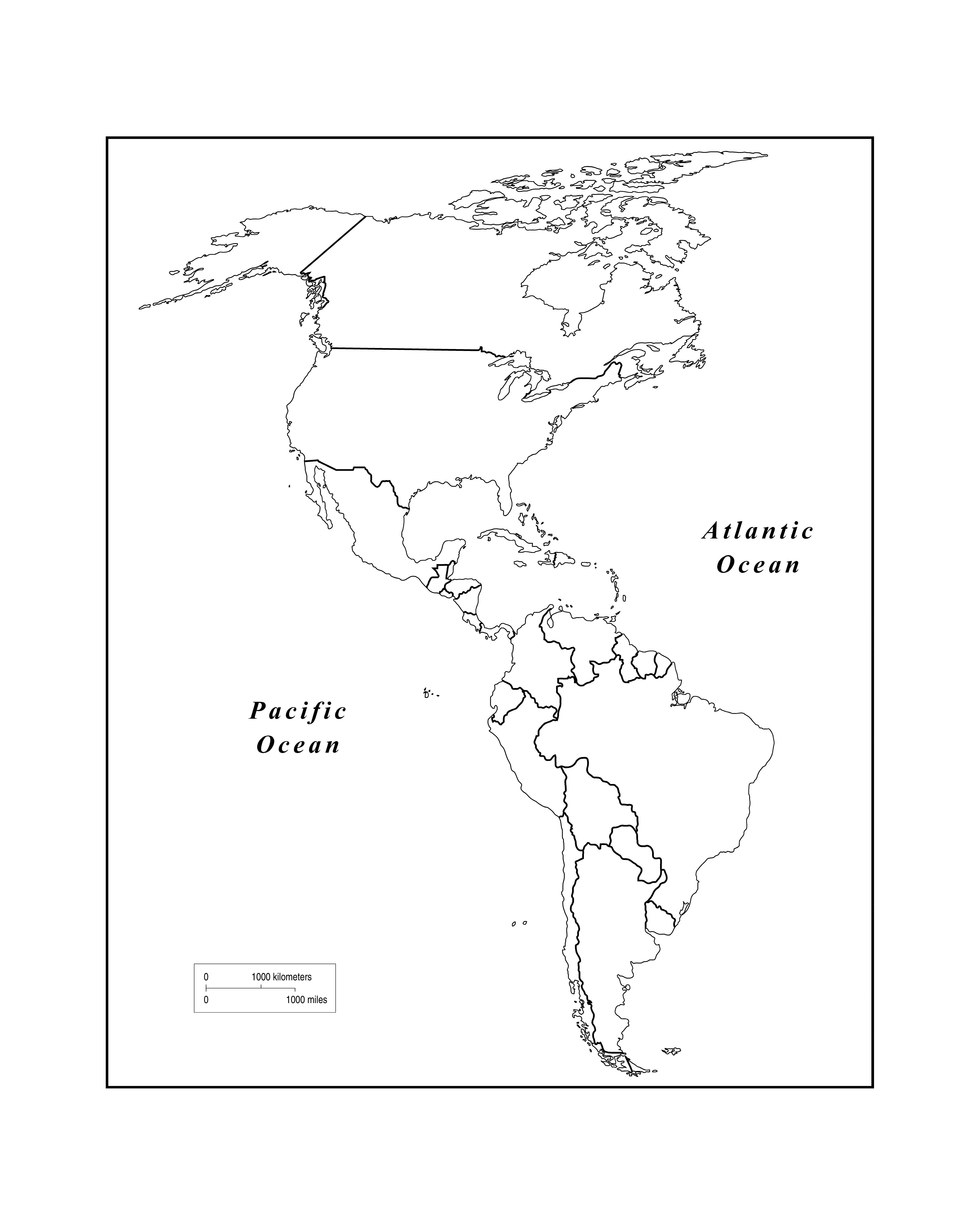
Latin Americans—both in the U.S. and in their countries of origin—represent a population that has experienced high levels of state violence, social instability, and institutional distrust, often across generations. Many Latin American countries have histories marked by authoritarian regimes, civil conflict, or militarized policing, which can leave lasting psychological and social effects on their citizens.
By focusing on first- and second-generation Latin American migrants in the U.S., this research explores how intergenerational trauma and legacy stress continue to shape attitudes toward authority—particularly police—even in new national contexts.